Ritual of Morning Mist: Temple Stays Across Western Honshu
Waking before dawn to incense smoke, timber corridor bells, and seasonal temple cooking in the cedar mountains of Koyasan.
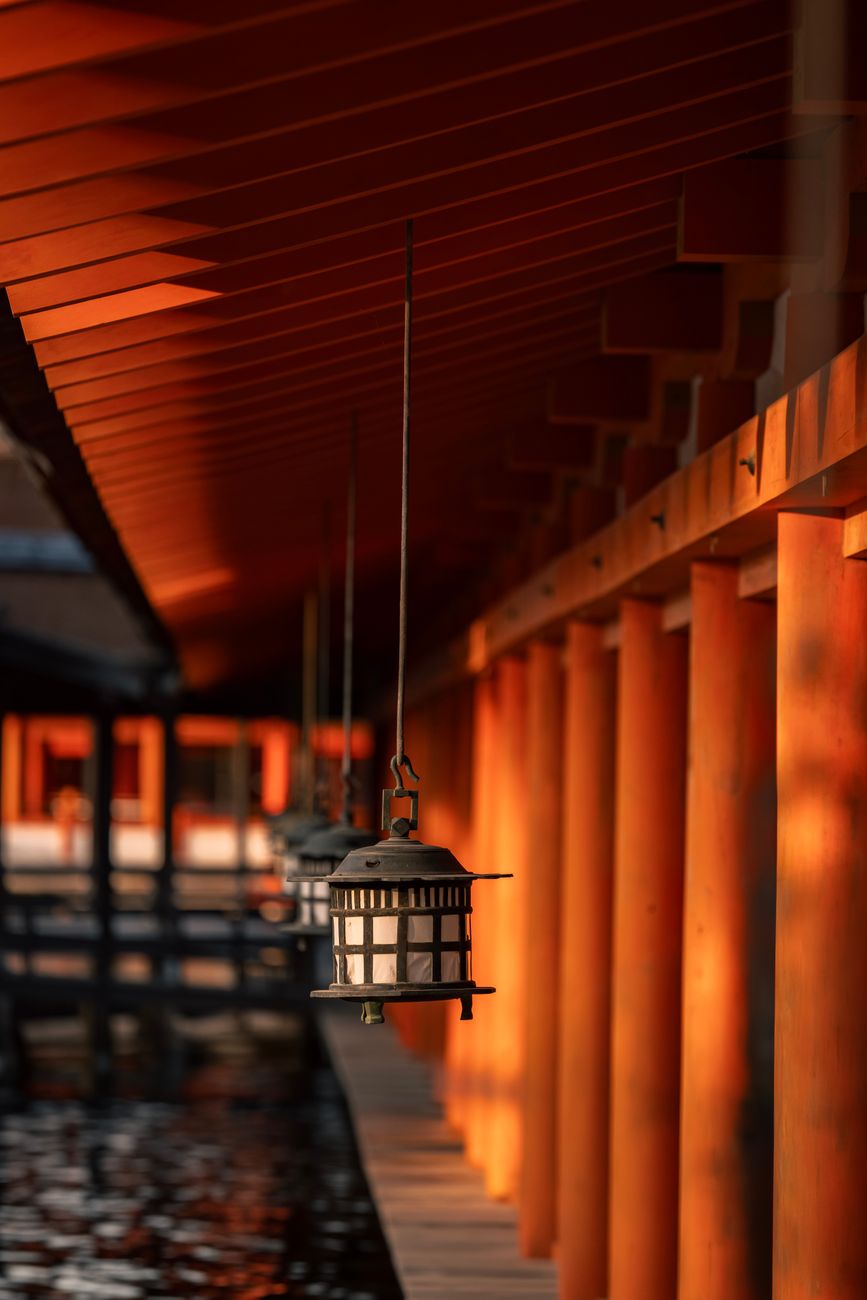
Morning mist over centuries-old lantern paths at Okunoin Cemetery, Wakayama. Photograph: 111111 Archive.
1. The Mountain Basin of Kobo Daishi
The cable car ascending Mount Koya creeps upward through dense vapor that softens every sharp contour of the landscape. Established in the ninth century by the monk Kukai as the headquarters of Shingon Buddhism, this high mountain basin remains one of the world's most enduring contemplative sanctuaries.
Checking into a shukubo (temple lodging) requires slipping off hiking boots at the cedar threshold and stepping onto woven tatami mats. There are no television screens or piped music. Sliding shoji paper screens filter daylight into warm ivory hues, framing private moss courtyards where drops of water fall steadily from bamboo spouts.
2. The Art of Temple Vegetarianism
Dinner arrives on lacquered vermilion trays at half past five. This is shojin ryori—devotional vegetarian cooking developed under Buddhist precepts of mindfulness and non-violence. Each component adheres to the rule of five: five colors (black, white, red, yellow, green) and five distinct flavor profiles (sweet, sour, bitter, salty, umami).
“Eating here is not an indulgence of appetite; it is a meditation on the life force of soil, rain, and careful human hands.”
Dishes feature local sesame tofu (goma-dofu) made by grinding white sesame seeds for hours into mountain spring water, simmered wild mountain ferns (sansai), and tempura battered chrysanthemum leaves. It is subtle, complex, and extraordinarily grounding.
3. The Goma Fire Rite
At 6:00 AM, the temple bell vibrates through the valley. Guests quietly gather in the main worship hall, kneeling on the tatami as sandalwood incense billows. Young monks begin a low, resonant chant in unison, striking large bronze bowls that fill the temple chamber with lingering acoustics.
During the esoteric Goma ritual, cedar prayer sticks inscribed with wishes are fed into an altar flame. Sparks rise toward darkened wooden ceilings burnished by centuries of smoke. In that hypnotic heat and sound, everyday modern anxieties evaporate completely.
4. Etiquette for Visitors
- Punctuality: Temples operate strictly according to schedule. Meals and ceremonies start without delay.
- Footwear: Keep socks on when walking along wooden temple verandas; outdoor shoes remain strictly in entry genkan boxes.
- Silence: After 9:00 PM, temple grounds enter strict quiet hours to support monastic contemplation.