Smoked Chiles & Wild Agave: The Forgotten Recipes of Oaxaca
Journeying into ancestral kitchens and mountain palenques where indigenous techniques continue to define authentic culinary identity.
A traditional wood-burning comal in San Marcos Tlapazola. Photograph: 111111 Archive.
1. The Sacred Architecture of Milpa
In Oaxaca, gastronomy is not merely culinary hobbyism; it is sacred agricultural ecology. The indigenous milpa system—a symbiotic polyculture of native corn, climbing beans, and sprawling squash—has sustained Zapotec and Mixtec civilizations across millennia.
At dawn in the village of Tlacolula, women pat heirloom blue and yellow masa dough into impossibly thin disks over red clay comals. The scent of roasted corn and charred oak firewood fills the courtyard. These varietals cannot be replicated by commercial monoculture; they require specific microclimates and ancient seed-saving genealogies.
2. Beyond Chocolate: The Real Mole
Outside of Mexico, mole is frequently misunderstood as simply a savory chocolate sauce. In truth, mole negro, coloradito, amarillo, and manchamanteles represent feats of culinary alchemy involving dozens of separately toasted ingredients.
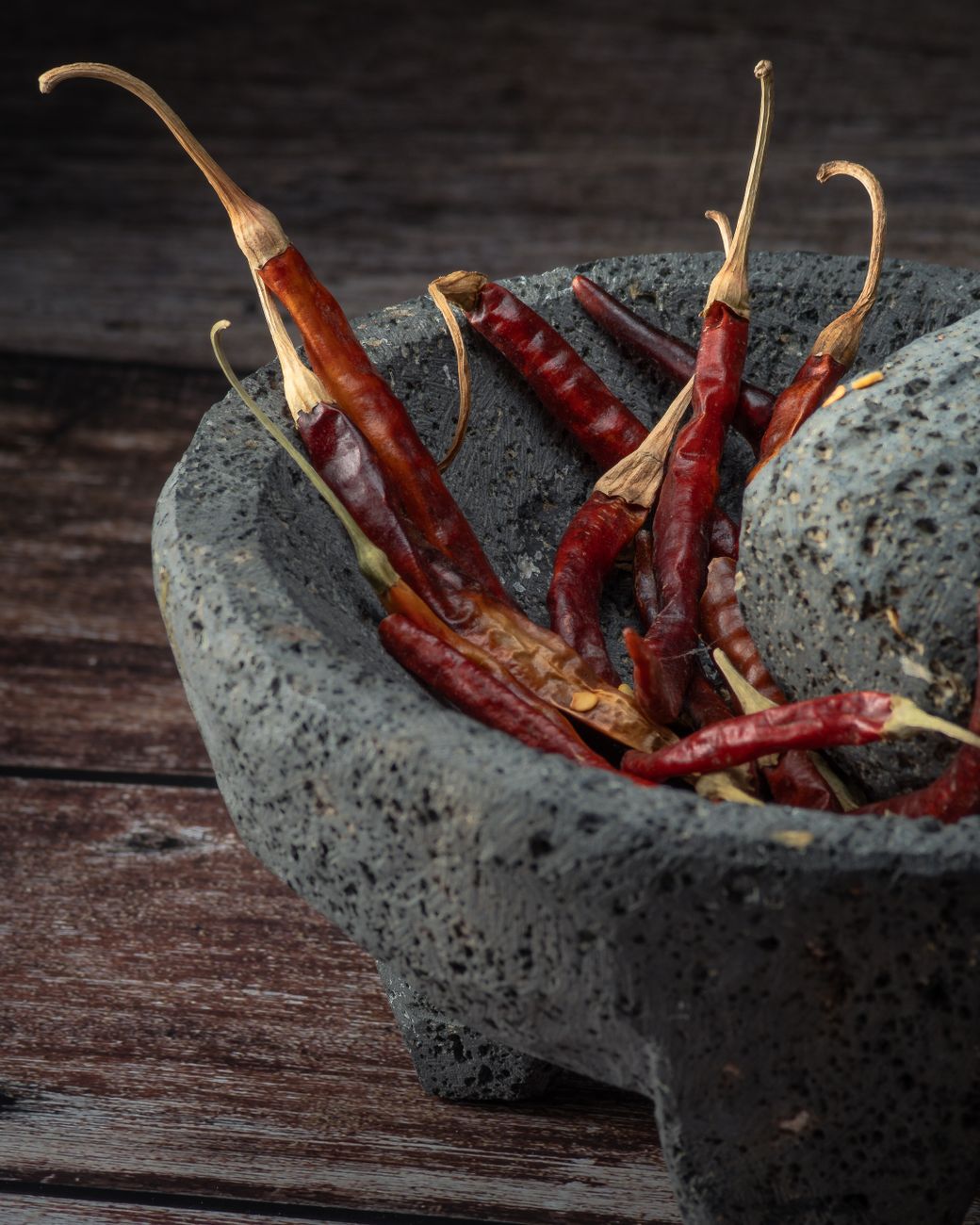
“To craft an authentic mole negro requires burning chile chilhuacle seeds until they resemble black silk, balancing bitterness and fragrant smoke with ripe plantain and toasted cloves.”
Cooked slowly in enormous earthenware pots (cazuelas de barro), a true mole develops depth over days, coating the tongue with balanced warmth, earthy acidity, and unhurried sweetness.
3. In Search of Wild Tobalá
Driving into the arid ridges south of Miahuatlán, cultivated fields yield to rocky limestone crags where wild agave species—Tobalá, Tepeztate, and Karwinskii—mature for up to twenty-five years before harvest.
At an artisanal palenque, the master mezcalero (maestro) roasts the agave piñas in an underground conical stone pit fueled by encino oak and river stones. The fermented mash is distilled in rudimentary clay pots with bamboo condenser tubes. The resulting spirit tastes purely of wet slate, wild thyme, and caramelized sugars.
4. Supporting Indigenous Guilds
- Buy Direct: Purchase textiles and ceramics directly from cooperative workshops in San Marcos Tlapazola and Teotitlán del Valle.
- Respect Sacred Sites: Always request permission prior to photographing family shrines, copal altars, or village elders.
- Sip Mindfully: Avoid cheap mass-distilled mezcal brands that clear-cut wild hillside agaves without replanting initiatives.