Silence Above Timberline: The High Refuges of the Alps
How sustainable larch architecture and human-powered trails are preserving the solitary reverence of high-altitude passes.
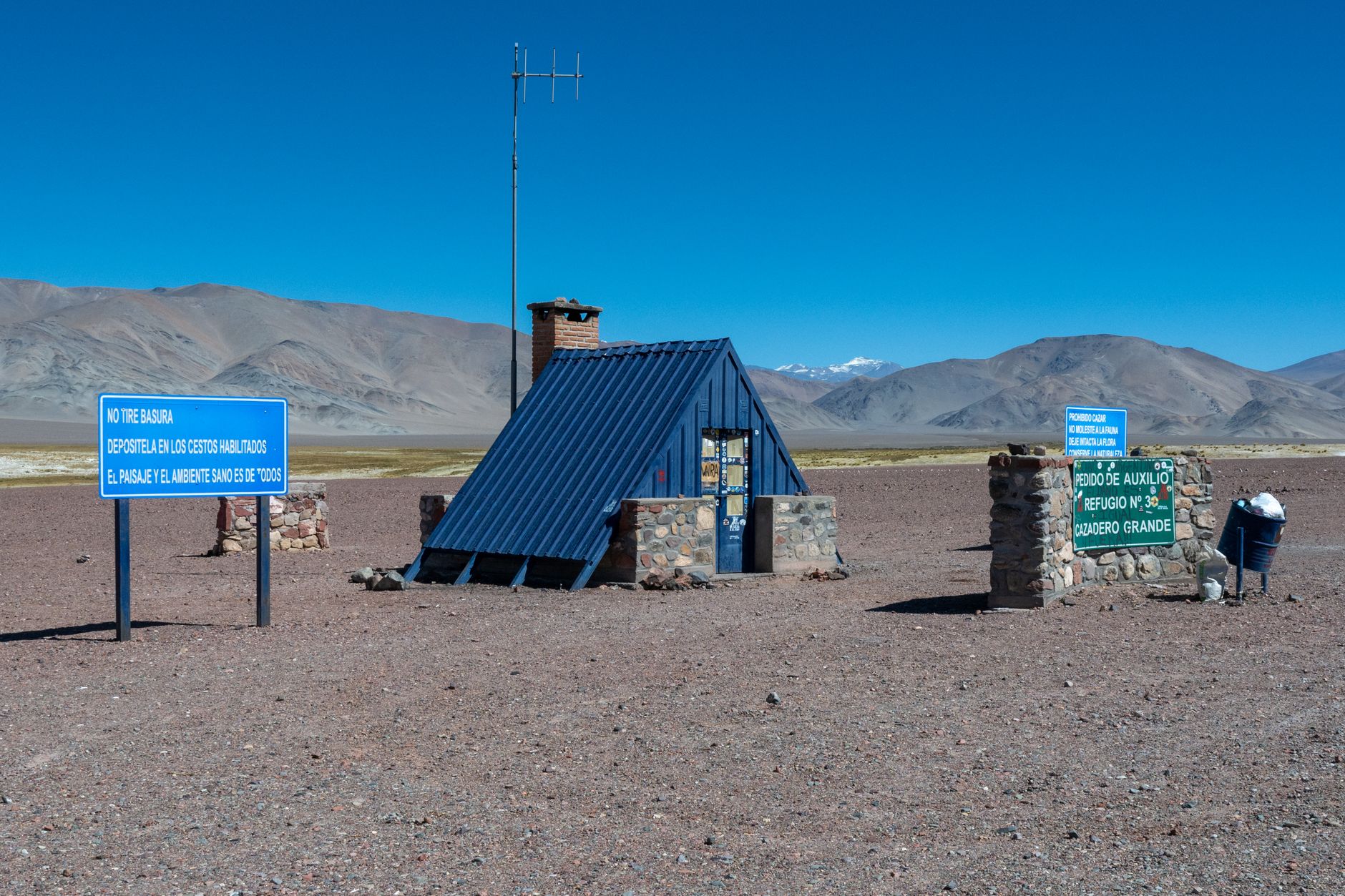
Refugio Pian di Cengia, set at 2,528 meters altitude in the Sesto Dolomites. Photograph: 111111 Archive.
1. The Geometry of the Ascent
Above two thousand meters, sound shifts. The constant hum of combustion engines, highway rumble, and mechanical air circulation dissolves into a stark mineral clarity. You hear the rhythmic crunch of gravel under lugged vibram soles and the sudden shrill whistle of an alpine marmot alerting its colony to your slow approach.
For centuries, the huts of the alpine club were purely functional shelters: rough stone masonry, damp communal sleeping platforms, and wool blankets smelling of woodsmoke. Over the last decade, however, an architectural revolution has unfolded throughout South Tyrol and Graubünden. Visionary architects have partnered with family hosts to build structures that harmonize with scree slopes while setting modern sustainability benchmarks.
2. Larch Timber & Solar Power
Constructing at altitude demands severe discipline. Every kilogram of concrete or structural beam must either be hoisted by cable crane or flown via tight helicopter corridors during clear weather windows. To minimize structural disruption, architects have turned to local, untreated larch timber and zinc paneling that patinates naturally to charcoal gray under harsh ultraviolet radiation.
“A shelter in the mountains must not compete with the vertical majesty of the limestone; it must sit quietly as an extension of the rock itself.”
Modern micro-hydro turbines, triple-pane thermal glazing, and vacuum-insulated roofs allow these outposts to operate off-grid without diesel generators. Water is gathered through snowmelt filtration, mandating strict conservation by guests.
3. The Table at Dusk
Dinner in a high refuge is served without pretense at seven o'clock sharp. Strangers from Milan, Innsbruck, and Portland gather around knotty pine trestle tables. Generous bowls of knödel in rich broth, polenta stirred with aged alpine mountain cheese, and carafes of local Lagrein wine pass between blistered hands.
By nine in the evening, the solar inverters switch off main lighting. Stepping out onto the wooden deck reveals a celestial tapestry unobstructed by light pollution. The jagged silhouettes of the peaks stand black against a luminous Milky Way.
4. Planning Your Route
- Season: Mid-June through late September. In early autumn, larch needles turn golden amber and tourist crowds drop by eighty percent.
- Packing: A lightweight silk sleeping bag liner is mandatory across all huts. Pack trekking poles, warm merino base layers, and headlamps.
- Reservations: Book beds at least four to five months ahead directly via local club platforms.